A joyful day of learning, laughter, and beautiful memories at Gramshree Kisan School!
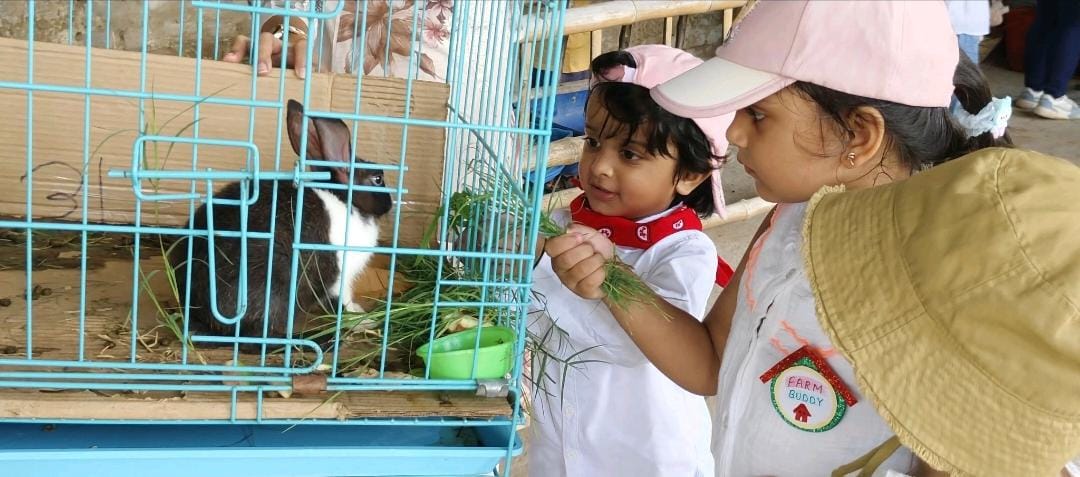
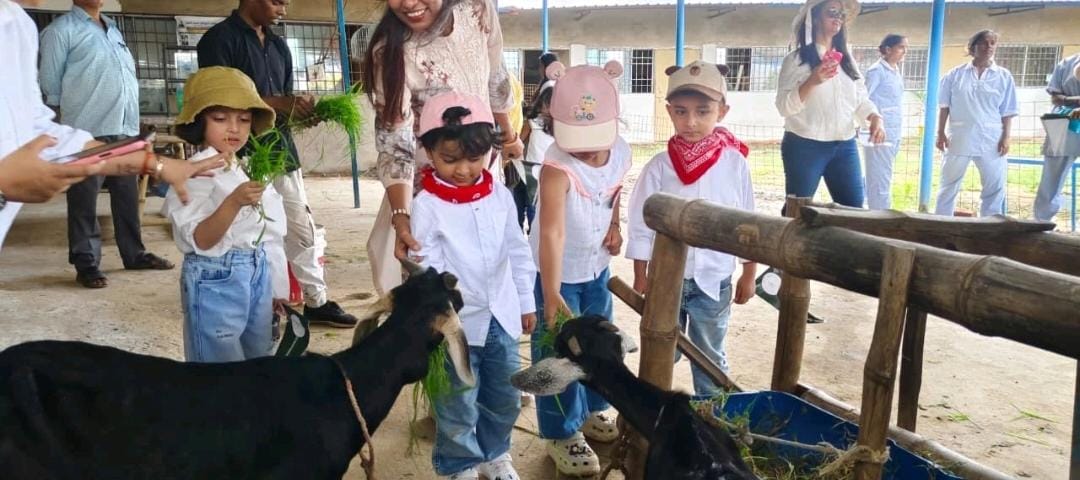
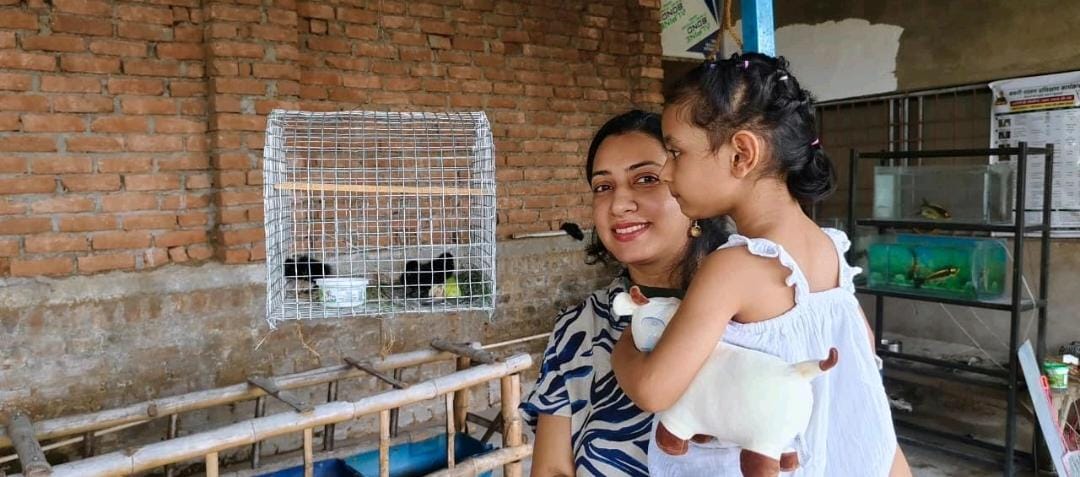
We were delighted to welcome the young learners of Grassroots Global Early Years, Patna, Bihar, along with their parents and guardians, for a memorable experiential visit to Gramshree Kisan School.
The visit was equally special for the parents and guardians. Watching their children discover the simple joys of farm life gave many of them a chance to reconnect with their own childhood memories and create new ones together as a family.
Foreword from Mrs. Mukta Agarwal, Founder & Director, Gramshree
“Children learn best when they can see, touch, explore and experience. At Gramshree Kisan School, our effort is to bring them closer to nature, animals and the roots of rural life in a safe and joyful environment. It was heartwarming to see the excitement on the children’s faces and equally beautiful to see parents reliving their own childhood moments alongside them. We hope such experiences inspire curiosity, empathy and a lifelong connection with nature.”
Mrs. Mukta Agarwal, Founder & Director, along with Team Gramshree, warmly welcomed the group and guided them through the different areas of Gramshree Kisan School, introducing them to the animals, farm activities and the spirit behind experiential learning.
The day was filled with smiles, curiosity, bonding and countless little moments worth remembering.
At Gramshree Kisan School, we believe that some of the most meaningful lessons are learned outside the classroom. When children connect with animals, soil, plants and nature, learning becomes an experience they carry in their hearts for years to come.
We sincerely thank Grassroots Global Early Years, Patna, all the wonderful children, parents and guardians for making the visit so special.
#GramshreeKisan School #Exposurevisit #Kids #Picnic #Patna #Bihar #animals #Dairy #Goatry #Poultry #Beekeeping #Fun #Agriculture #Gsk
LinkedIn Link
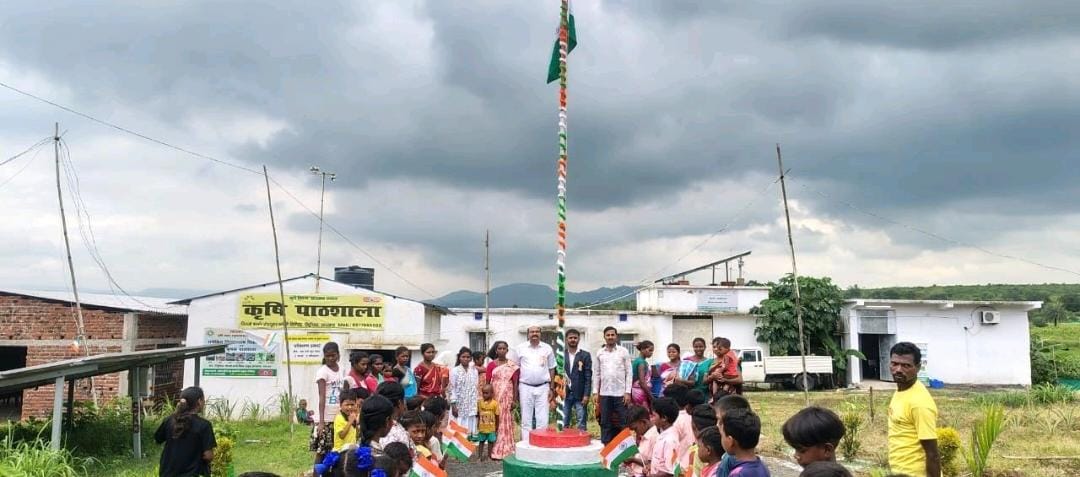
The Colours of Patriotism at Gramshree
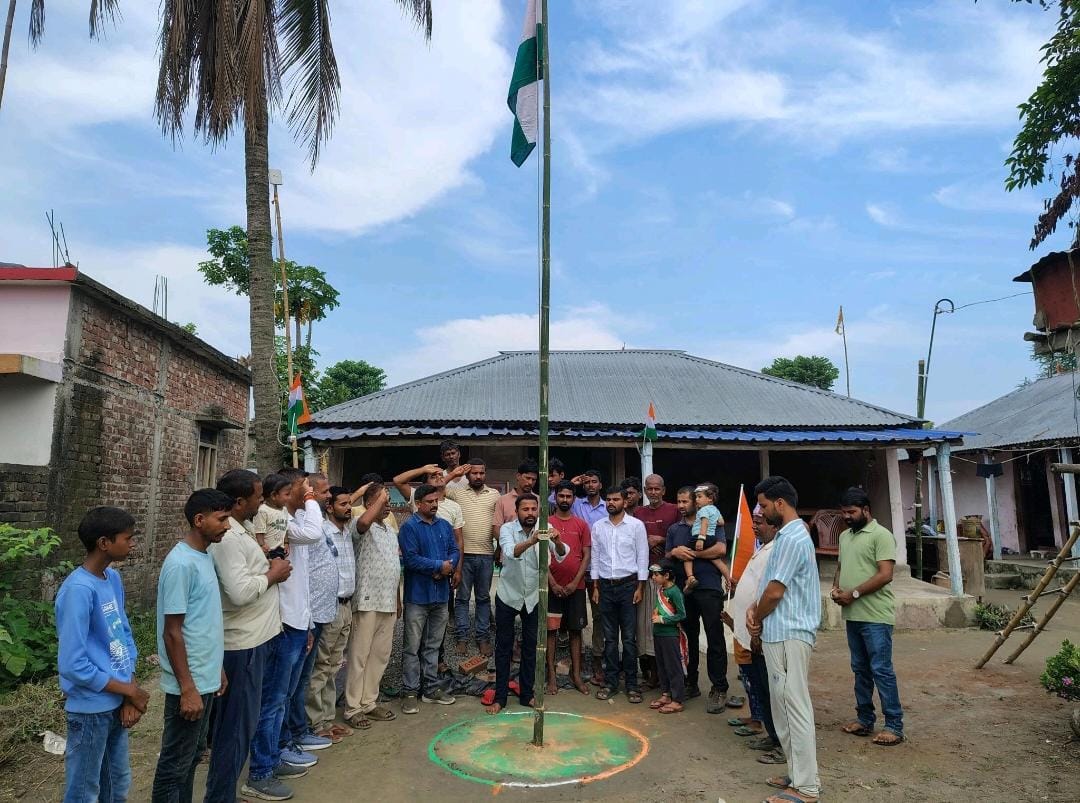
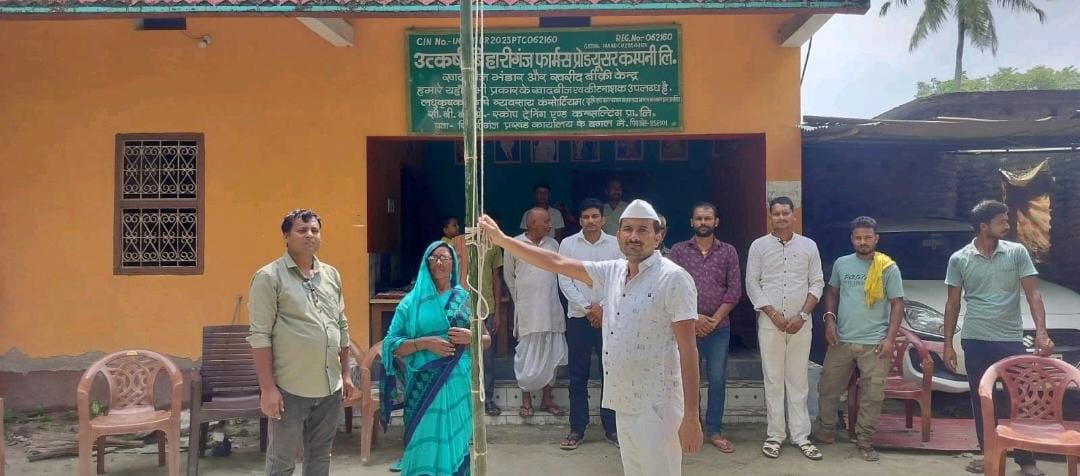
This Independence Day, the colours of the Tricolour came alive not just in the sky, but across the fields, FPOs and farming communities connected with Gramshree.
From Gramshree-initiated FPOs across Bihar to the Demonstration Farm in Pakur, Jharkhand, farmers celebrated freedom by turning their fields into a symbol of unity, pride and hope for a stronger India.
Saffron the courage to innovate.
White the vision of peace and progress.
Green the soil, agriculture and prosperity that sustain our nation.
For Gramshree, patriotism is not limited to a celebration it is a commitment to empower farmers, strengthen FPOS, embrace modern agriculture and build self-reliant rural communities.
Because nation-building happens not only at the borders, but also in our villages, in our fields, and through the hands of our farmers.
The Tricolour is the colour of our freedom. The green fields are the colour of India’s future.
Jai Hind | Jai Kisan |
Vande Mataram
Ministry of Agriculture & Farmers Welfare, Government of India Ministry of Cooperation Ministry of Micro, Small and Medium Enterprises, Government of India Startup Bihar YourStory Media
SFAC India National Cooperative Development Corporation (NCDC) NABARD – National Bank for Agriculture and Rural Development NAFED India
#Gramshree #IndependenceDay2026 #80thIndependenceDay #JaiHind #Vande Mataram #JaiKisan #IndianAgriculture #FarmersOfIndia #FPO #FPOsOfIndia #KisanShakti #Agrilnnovation #ModernAgriculture #RuralIndia #Rural Development #Empowering Farmers #Technology ForFarmers #AtmanirbharBharat #KisanEmpowerment #ProudIndian
LinkedIn Link
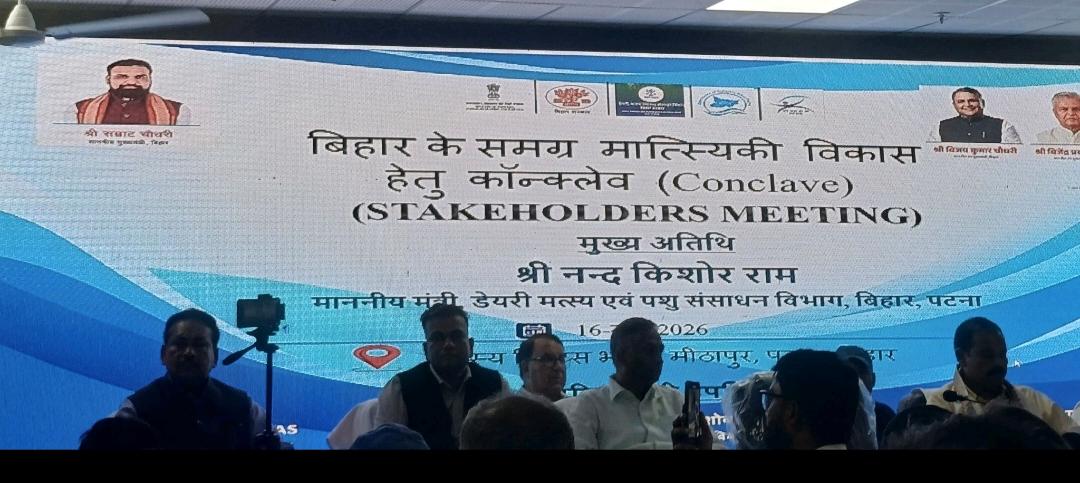
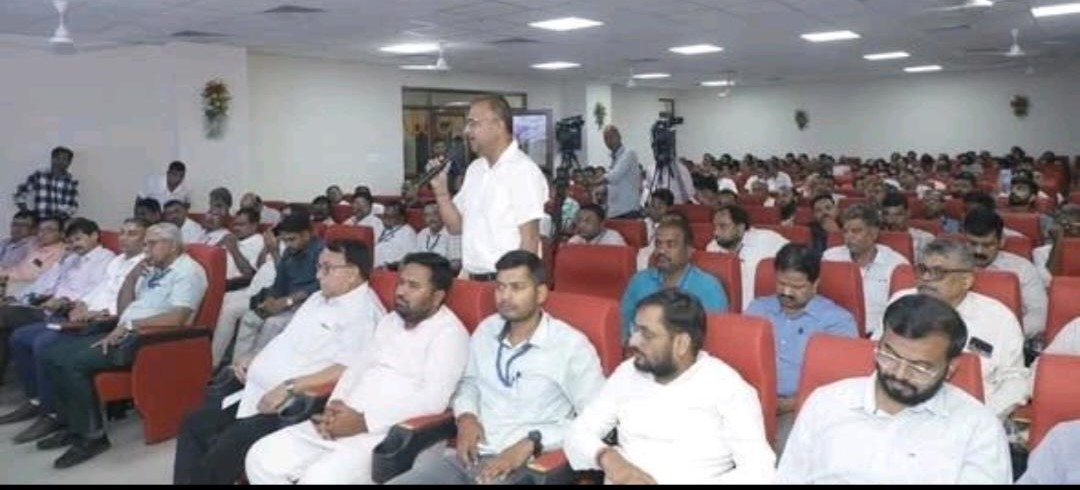
Gramshree Agri Services Pvt. Ltd. actively participated in the Stakeholder Consultation & Interaction Programme for Holistic Fisheries Development in Bihar, organized by NFDB Regional Centre, Patna, in collaboration with the Directorate of Fisheries, Government of Bihar, on 16 June 2026 at Matsya Vikas Bhawan, Patna.
Founder & Director Mr. P. Puneet presented Gramshree’s vision for strengthening Bihar’s fisheries ecosystem before senior dignitaries from the Fisheries Department, NFDB, NABARD, and NCDC. He highlighted key recommendations including rejuvenation of small ponds, addressing challenges in Biofloc farming, establishment of a Fisheries Startup Cell, and revival of cooperative fisheries water bodies in districts such as Begusarai and Nalanda.
The dignitaries appreciated Gramshree’s grassroots initiatives, particularly Gramshree Kisan School and Gramshree Kisan Mall, recognizing their potential to promote knowledge, entrepreneurship, market access, and sustainable livelihoods for farmers, fish growers, and rural youth across Bihar and India.
National Fisheries Development BoardÊ(Nfdb)
Samrat Choudhary
CA PRIYADARSHI PUNEET
Aditya Raj
https://www.linkedin.com/posts/gramshreeagri_gramshreeagrifisheriesdevelopmentbiharfisheriesactivity7472929176963182593wPsZutm_source=screenshot_social_share&utm_medium=android_app&rcm=ACoAAERPm5gBh2eVvQ004O_DzoEyW0ucuNkYzo&utm_campaign=copy_link
Gramshree Reinforces Its Commitment to Promote Medicinal Farming in Bihar
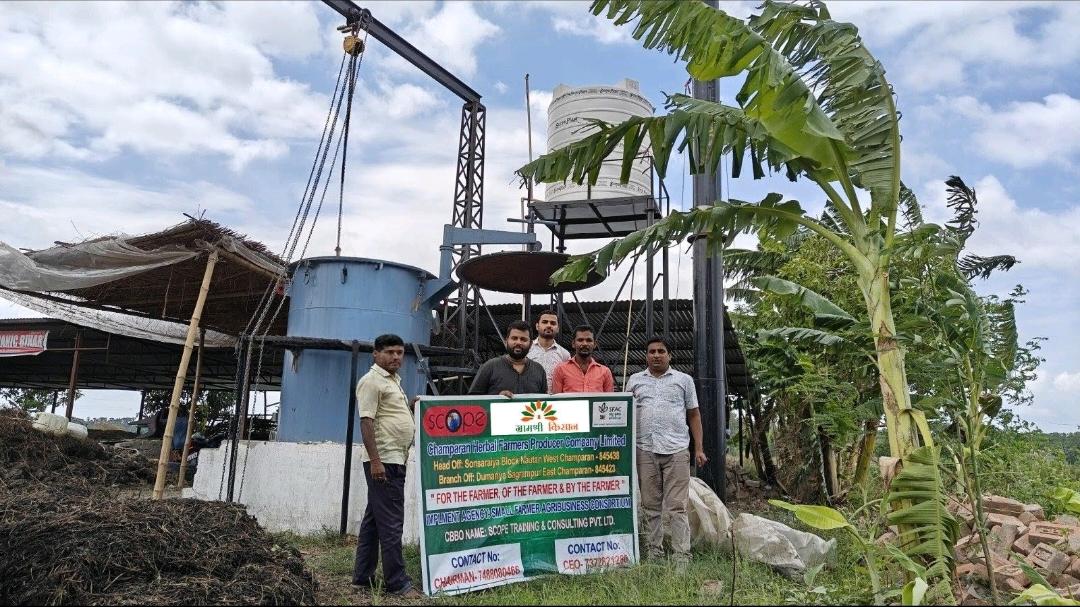
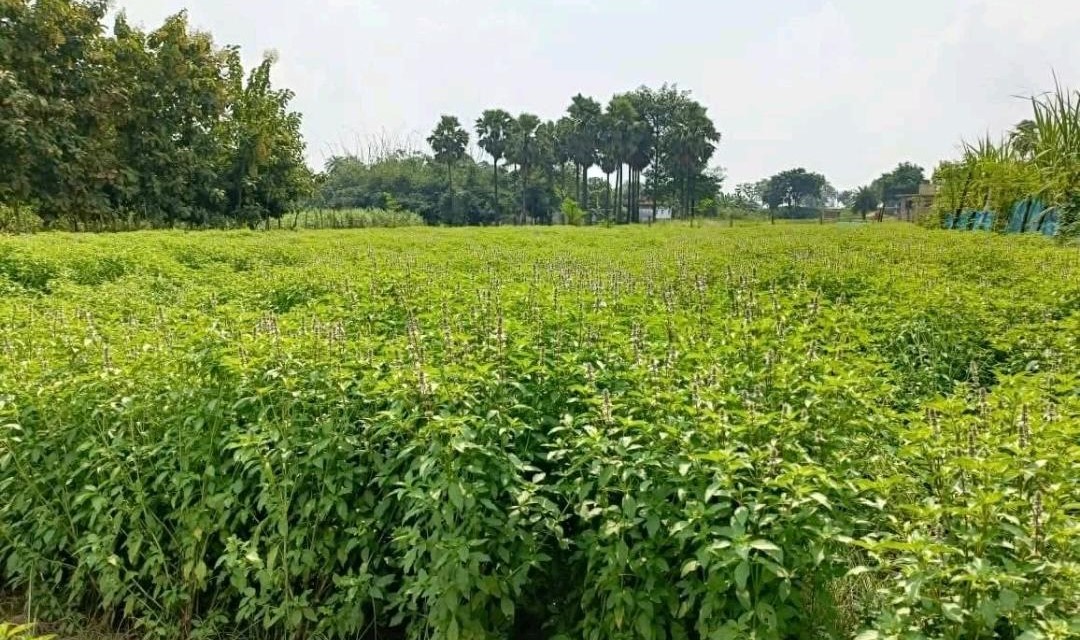
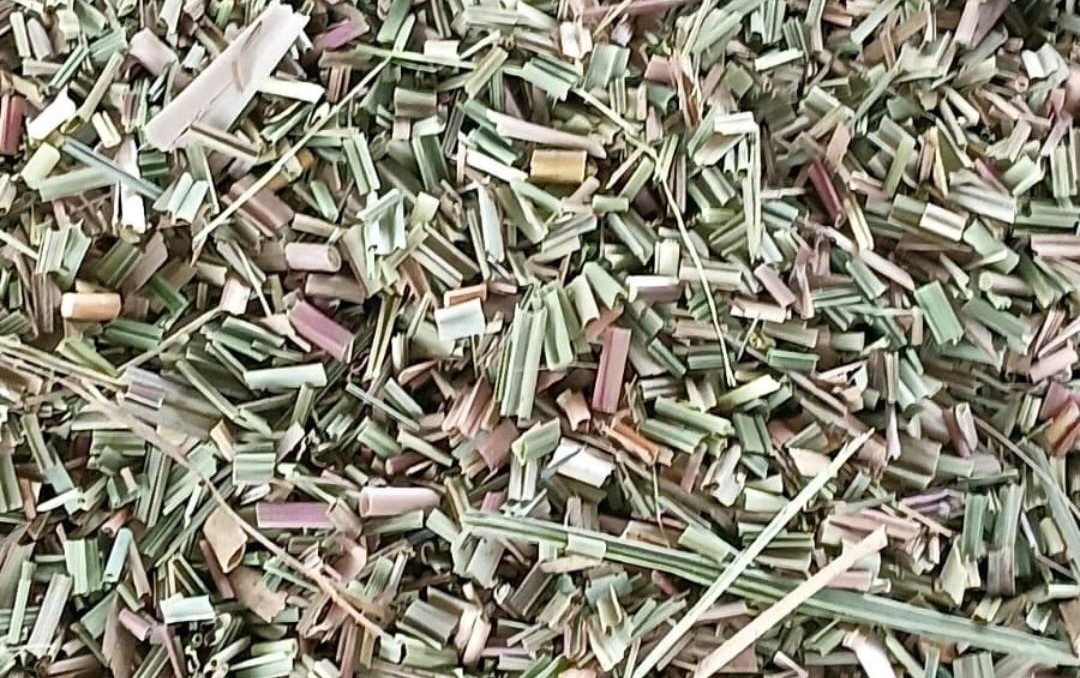
As part of its mission to empower farmers and build a prosperous rural economy, the Gramshree expert team recently visited the Champaran Herbal Farmers Producer Organisation (FPO) in East Champaran, Bihar. The visit was undertaken to assess and understand the cultivation, production, and processing practices of key medicinal and aromatic crops, including Lemongrass, Tulsi, Mentha, and Khas (Vetiver).
During the visit, the Gramshree team interacted with FPO members, progressive farmers, and field experts to gain insights into the existing production systems and value chain opportunities. As a committed handholding partner, Gramshree shared practical recommendations and modern cultivation techniques aimed at improving crop productivity, reducing production costs, and enhancing overall profitability.
Medicinal farming is rapidly emerging as a promising sector with increasing demand from the pharmaceutical, cosmetic, wellness, and essential oil industries.
This visit marks another step in Gramshree’s ongoing efforts to strengthen farmer institutions, promote value-added agriculture, and create sustainable livelihood opportunities across rural Bihar. Through continuous knowledge sharing, technical assistance, and market linkage support, Gramshree aims to empower farmers to move beyond traditional farming and embrace high-potential agricultural enterprises.
With a vision to make Bihar a leading producer and exporter in the sectors of Agriculture, Animal Husbandry, and Fisheries, Gramshree remains steadfast in its commitment to farmer welfare and rural development. Through initiatives such as the Gramshree Kisan School, which focuses on farmer education and capacity building, and the Gramshree Kisan Mall, which provides access to quality inputs, services, and market opportunities, the organization continues to work towards building a stronger and more self-reliant farming community.
Gramshree believes that empowering farmers with knowledge, innovation, and market access is the key to transforming rural livelihoods.
Samrat Choudhary
https://www.linkedin.com/posts/gramshreeagri_%F0%9D%90%86%F0%9D%90%AB%F0%9D%90%9A%F0%9D%90%A6%F0%9D%90%AC%F0%9D%90%A1%F0%9D%90%AB%F0%9D%90%9E%F0%9D%90%9E-%F0%9D%90%91%F0%9D%90%9E%F0%9D%90%A2%F0%9D%90%A7%F0%9D%90%9F%F0%9D%90%A8%F0%9D%90%AB%F0%9D%90%9C%F0%9D%90%9E%F0%9D%90%AC-%F0%9D%90%88%F0%9D%90%AD%F0%9D%90%AC-activity-7473288359235395584-LnGD?utm_source=social_share_send&utm_medium=android_app&rcm=ACoAAERPm5gBh2eVvQ004O_DzoEyW0ucuNkYz-o&utm_campaign=copy_link
4-Day Integrated Farming Training Program Organised at Gramshree Demonstration Farm
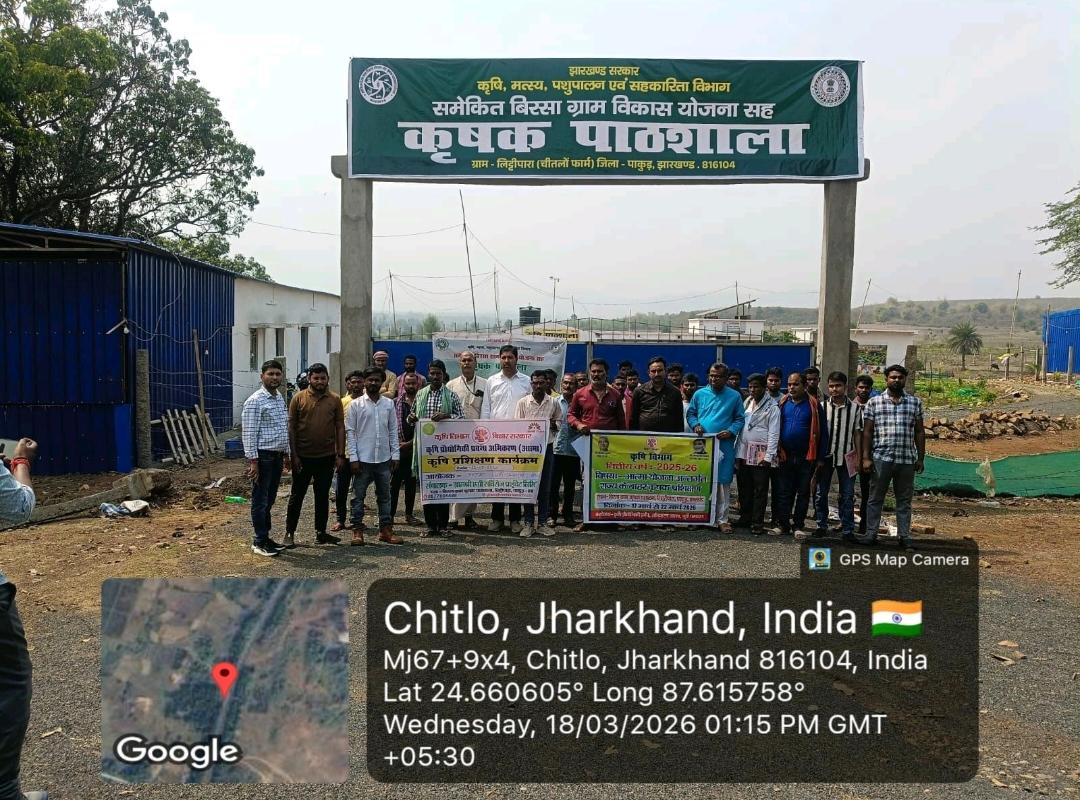
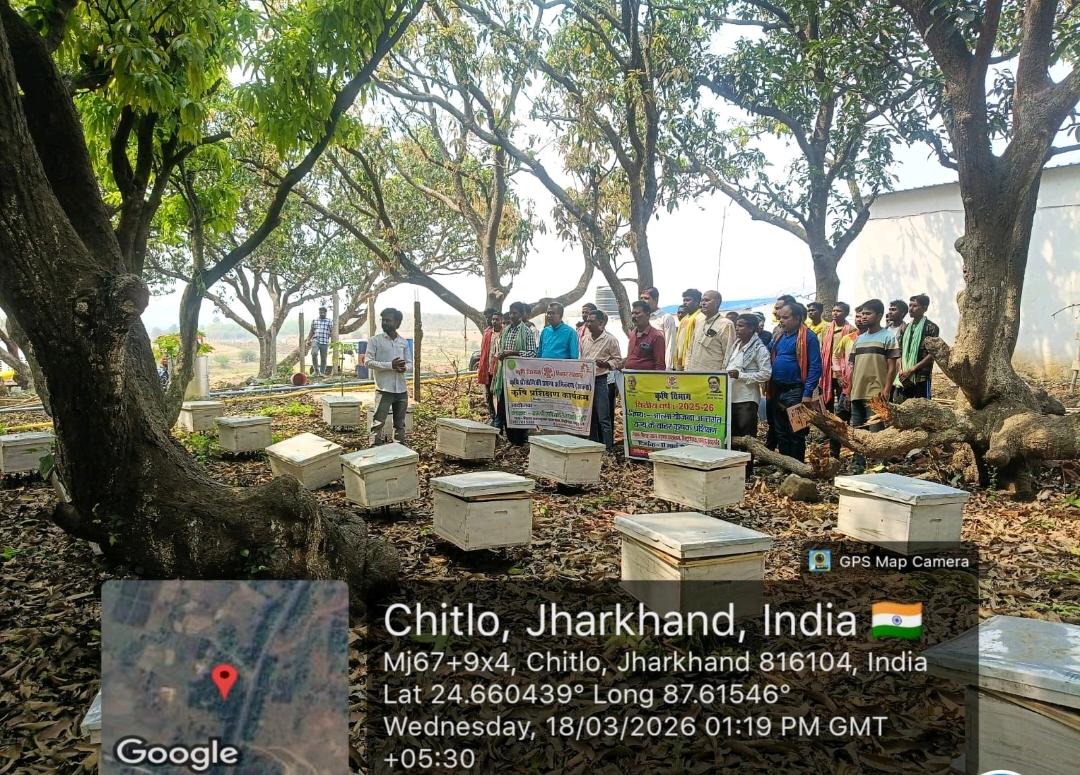
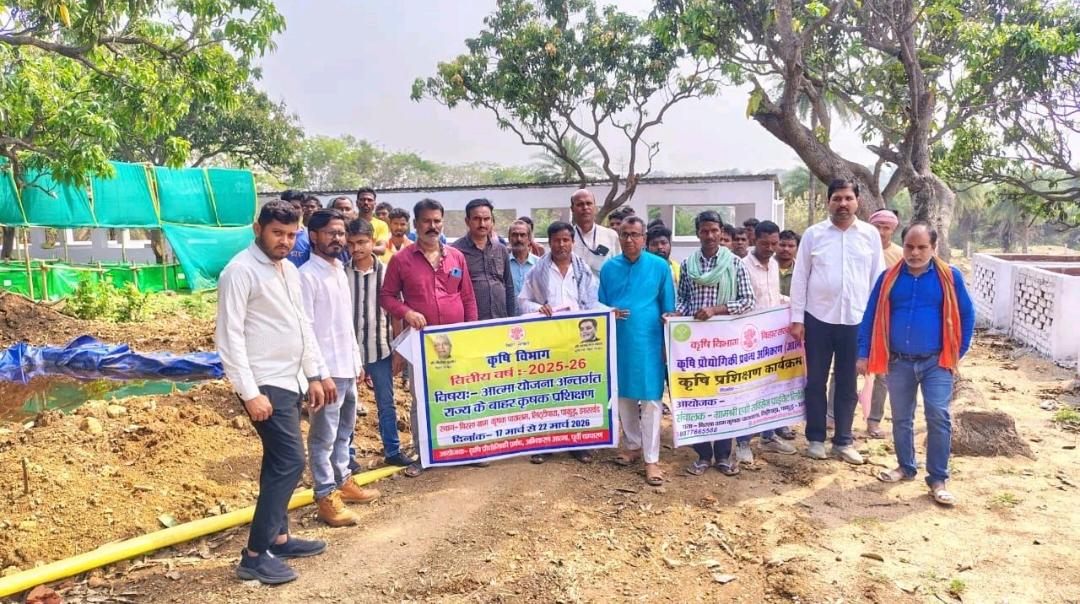
A 4-day training program on Integrated Farming System was successfully organised at the Gramshree Demonstration Farm in Littipara Block. Participants from Barmasiya Village actively participated in the program and gained practical knowledge on agriculture, animal husbandry, and fisheries.
The main objective of the training program was to promote integrated farming practices among farmers and rural communities to improve livelihood opportunities and enhance farm income through diversified agricultural activities.
During the training, experts and resource persons conducted detailed sessions on modern agricultural practices, organic farming, soil health management, water conservation, and improved crop production techniques. Participants were also trained in various aspects of animal husbandry, including dairy management, goat farming, poultry farming, and animal health care.
Gramshree affirm that such training and demonstration programs will continue to be organised in the future to strengthen rural livelihoods and promote sustainable agriculture in the region.
#IntegratedFarming #SustainableAgriculture #Gramshree #FarmerTraining #AgricultureDevelopment #Rural Development #Animal Husbandry #Fisheries Development #Organic Farming #SmartFarming #LivelihoodPromotion #FarmInnovation #AgriTraining #Jharkhand Farmers #Pakur #Littipara #VillageDevelopment #KrishiVikas #FarmersEmpowerment #Demonstration Farm
https://www.linkedin.com/posts/gramshreeagri_integratedfarming-sustainableagriculture-activity-7463838961975734272-ccF4?utm_source=social_share_send&utm_medium=android_app&rcm=ACoAAERPm5gBh2eVvQ004O_DzoEyW0ucuNkYz-o&utm_campaign=copy_link
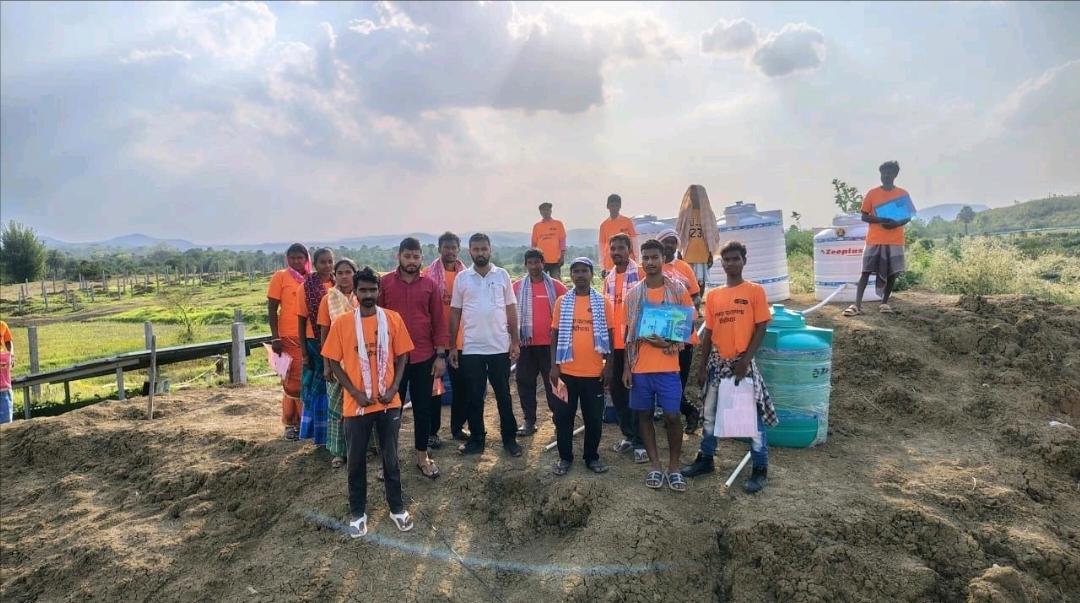
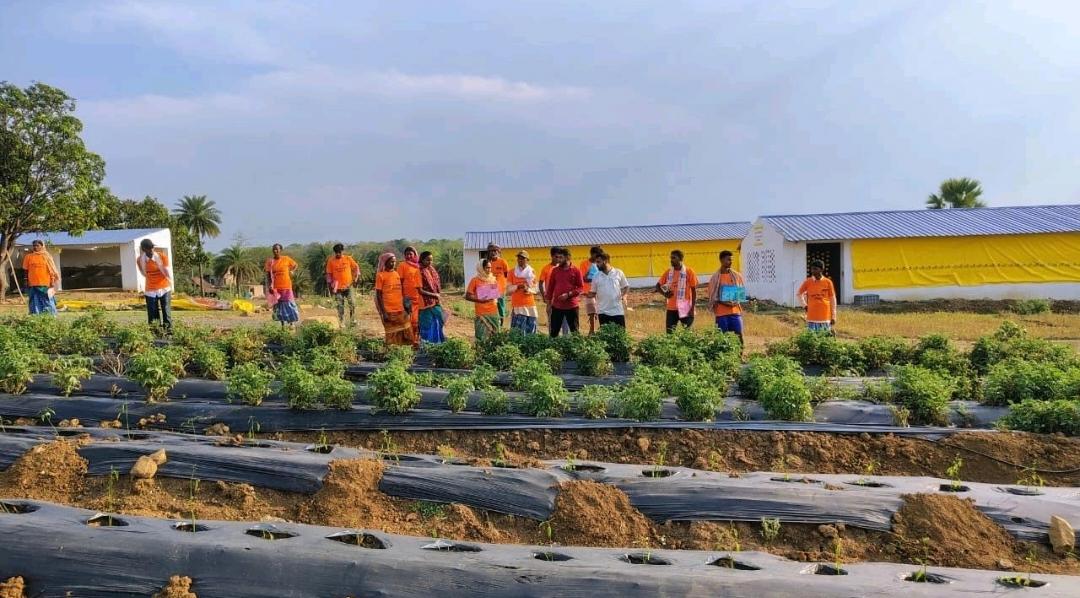
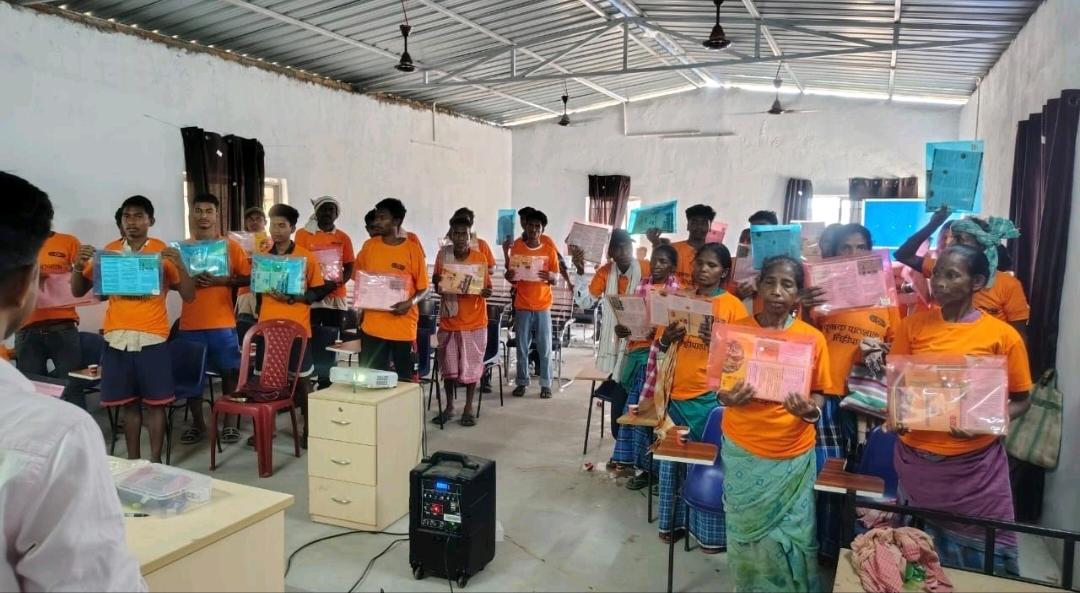
A group of progressive farmers from East Champaran embarked on an inspiring exposure visit to Gramshree’s Krishak Pathshala, an integrated farm located in Littipara block, Pakur, supported by the Government of Jharkhand.
With curiosity and enthusiasm, the farmers explored the integrated farming model, where knowledge moved beyond classrooms into the fields.
They were guided by experts through diverse practices including agriculture, animal husbandry, fisheries, medicinal plant cultivation, bee keeping, drip irrigation, and vermi composting.
The experience became truly impactful as live, hands-on demonstrations were conducted. Real-time practices were observed, questions were asked, and active participation was ensured throughout the learning process. Innovative techniques were demonstrated, and practical skills were developed, enabling farmers to understand not just the “what” but also the “how” of modern farming.
New ideas were absorbed, perspectives were transformed, and confidence was built among the farmers. By the end of the visit, valuable knowledge had been gained, and a strong motivation was instilled to adopt integrated farming practices in their own fields.
Such initiatives are not merely training programs they are pathways to sustainable livelihoods, enhanced income, and the creation of self-reliant rural communities.
Ministry of Agriculture & Farmers Welfare, Government of India Ministry of Micro, Small and Medium Enterprises, Government of India Startupro.in Stealth Startup
#Agriculture #IntegratedFarming #SmartFarming #SustainableAgriculture #Agrilnnovation #ModernFarming #FarmersOfIndia #CapacityBuilding #Skill Development #Farmer Training #AgriEducation #KnowledgeSharing #ExtensionServices
https://www.linkedin.com/posts/gramshreeagri_agriculture-integratedfarming-smartfarming-activity-7440302643991883776-F-ZB?utm_source=screenshot_social_share&utm_medium=android_app&rcm=ACoAAERPm5gBh2eVvQ004O_DzoEyW0ucuNkYz-o&utm_campaign=share_via
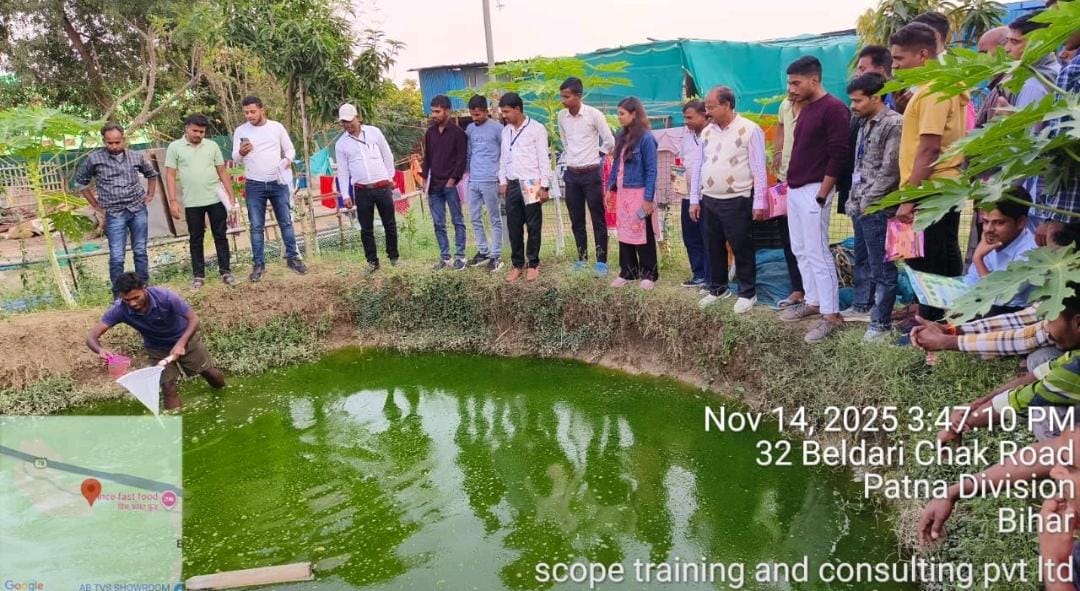
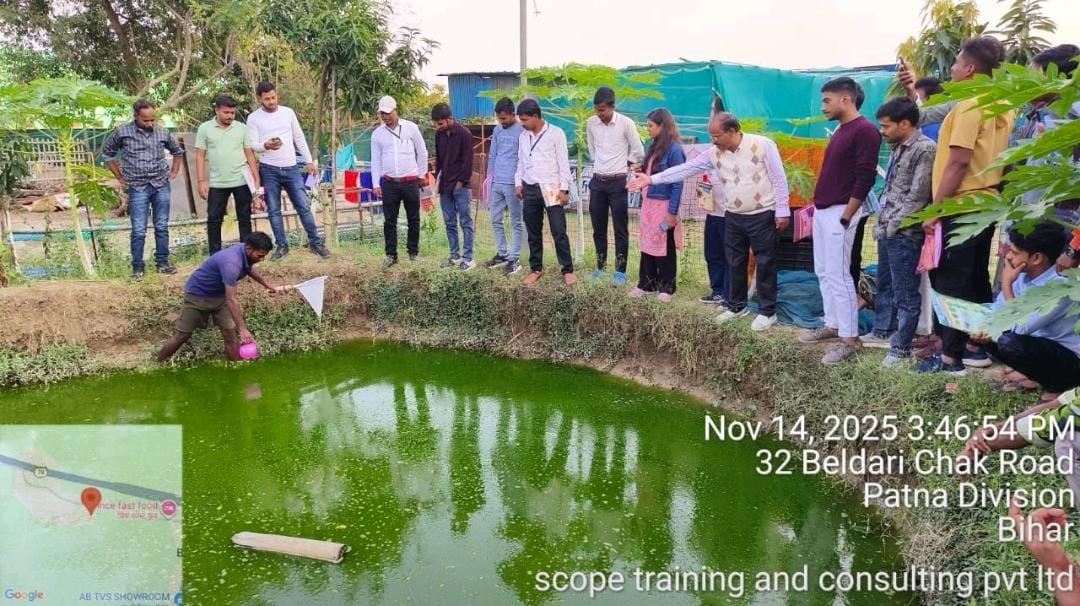
मछली पालन के लिए तालाब का पानी को कैसे अच्छा रखा जाता है जिस्म की अच्छी तरह से ऑक्सीजन रहे और मछली पालन में मछलियों को सुविधा रहे ?
मछली पालन में तालाब के पानी की गुणवत्ता और उसमें ऑक्सीजन का स्तर बनाए रखना मछलियों की सेहत और उत्पादन के लिए बहुत जरूरी है। इसे “जल प्रबंधन” और “पानी की गुणवत्ता नियंत्रण” कहा जाता है। मैं इसे विस्तार से समझाता हूँ:
1. तालाब का चयन और तैयारी
= तालाब की गहराईः मछली पालन के लिए आदर्श गहराई 1.5 – 2.5 मीटर होती है।
= तालाब की सफाईः तालाब में किसी तरह का कचरा, घास, कीचड़ या पुराने पत्ते न हों।
= कीटनाशक या रसायनः तालाब में कोई हानिकारक रसायन नहीं होना चाहिए।
2. पानी की गुणवत्ता बनाए रखना
= ऑक्सीजन स्तर (Dissolved Oxygen – DO)
= मछली के लिए DO 5-7 mg/L होना चाहिए।
= ऑक्सीजन बढ़ाने के उपायः
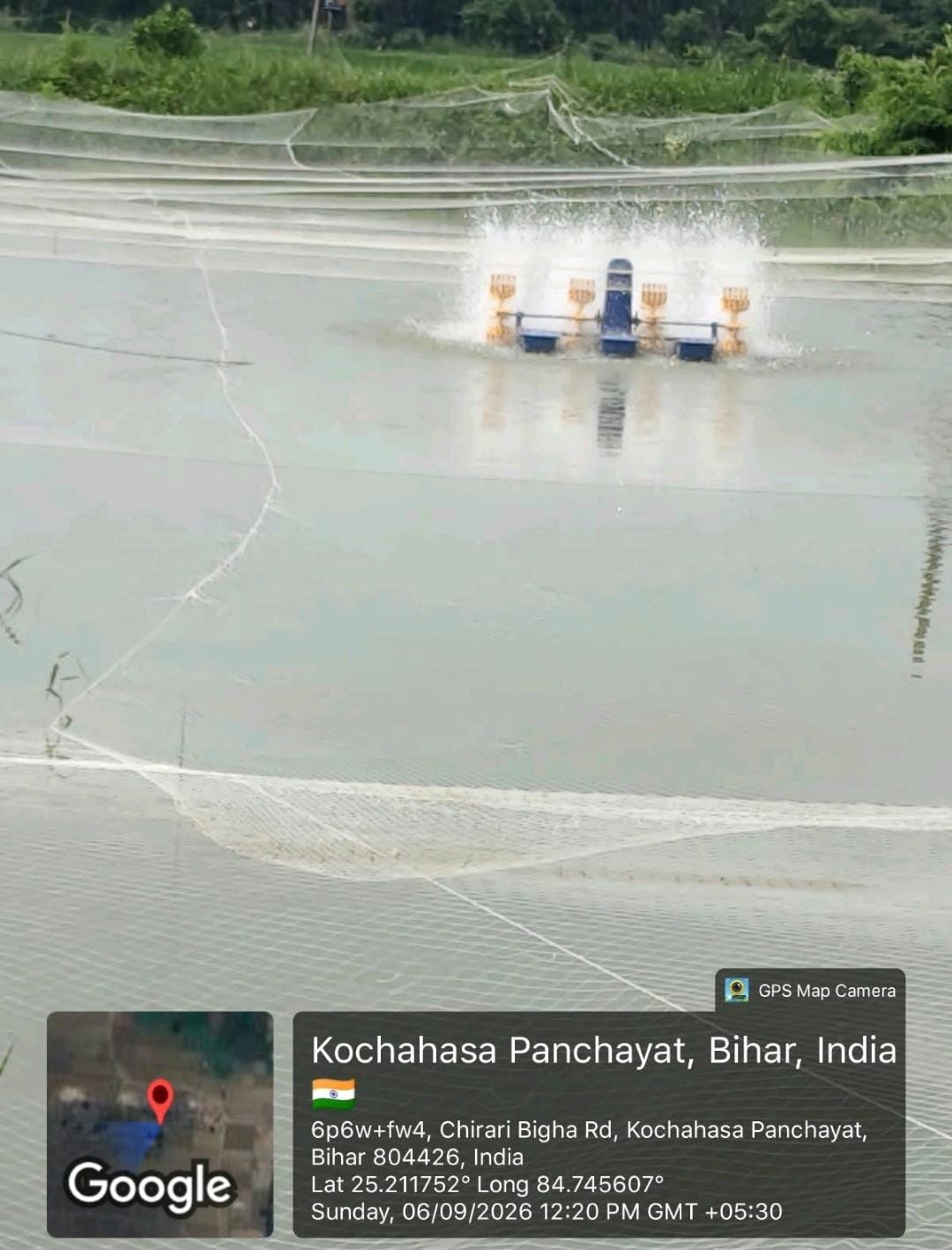
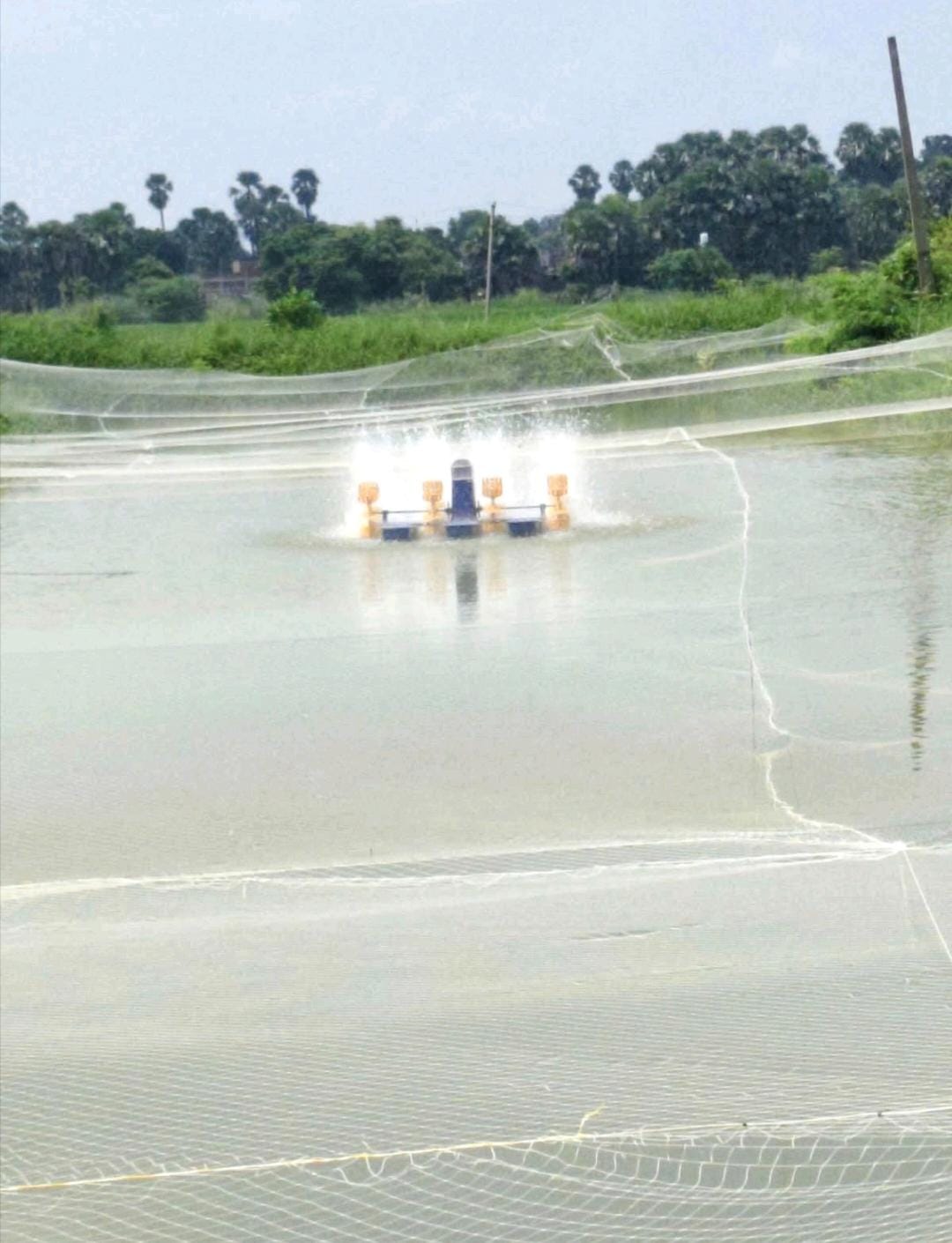
= एयरेशन मशीन (paddle wheel aerator) का इस्तेमाल ।
= तालाब में फव्वारे या छोटे झरने लगाना।
= पौधे जैसे जलकुंभी बहुत ज्यादा न हों, क्योंकि दिन में ऑक्सीजन छोड़ते हैं लेकिन रात में खपत बढ़ाते हैं।
=pH संतुलन
= आदर्श pH: 6.5-8.5
=pH बढ़ने पर (अल्कलाइन)
पानी में नींबू या एसिडिटी कम करने के लिए जिप्सम या ज्वालामुखी राख का उपयोग।
3. तापमान
= मछली के प्रकार के अनुसार पानी का तापमान 20-30°C होना चाहिए।
= बहुत ज्यादा गर्म या ठंडा पानी मछलियों की सेहत बिगाड़ सकता है।
4. मिट्टी और कीचड़
= तालाब का तल बहुत ज्यादा कीचड़ न हो।
= हर साल तालाब को साफ और ड्रेन करके मिट्टी की परत हल्की करनी चाहिए।
5. पानी की नियमित देखभाल
= पानी बदलनाः हर 15-30 दिन में 10-20% पानी बदलना।
= नमक डालना (केवल freshwater तालाब में): 0.1-0.2% नमक डाले जाने से मछलियों में रोग कम होते हैं।
= पौधों और जलीय जीवों का नियंत्रणः अत्यधिक पौधे ऑक्सीजन कम कर सकते हैं।
6. पोषण और फीडिंग
= मछलियों को सही समय पर और सही मात्रा में खाना दें।
= अधिशेष खाना पानी में जमा न होने दें, इससे पानी में ऑक्सीजन घटती है और अमोनिया बढ़ता है।
7. रोग और कीट प्रबंधन
= पानी में कीट या रोग पैदा न होने दें।
= तालाब में मछली रोग के लक्षण, जैसे लुप्त होना, सुस्त रहना, त्वचा पर धब्बे दिखना, ध्यान दें।
सारांशः
नियमित एयरेशन, पानी का संतुलन, साफ-सफाई, और सही पोषण से पानी में ऑक्सीजन अच्छी रहती है।
यह बहुत सुखद है कि भारत अपने देश के कृषि और डेयरी बाजार को अमेरिका के लिए नहीं खोला। अगर ऐसा होता तो भारत के कृषि और डेयरी क्षेत्र को नुक़सान उठाना पड़ता जो इन क्षेत्रों पर निर्भर भारतीय आबादी के जीवन स्तर को अस्त व्यस्त कर देता। दूसरी बात यह है कि भारत ने अमेरिकी मध्यस्थता की बात को सिरे से खारिज कर दिया। ऐसी स्थिति में भारत पर लगने वाले टैरिफ और शुल्क के कारण भारतीय अर्थव्यवस्था पर कुछ असर तो होगा हीं।
इसकी भरपाई के लिए हमें देश की अर्थव्यवस्था को आंतरिक रुप से मजबूत बनाना होगा। अमेरिका को छोड़कर अन्य देशों के साथ व्यापार का विकल्प ढूंढना होगा।कृषि और डेयरी क्षेत्र के साथ अन्य सभी क्षेत्रों को इतना संगठित और सशक्त बनाना होगा जिसके कारण भारतीय उत्पाद विश्व में अपनी जगह बनाए।
ऐसे समय में हम सहकारिता के माध्यम से असंगठित क्षेत्र में लगे कार्यबल को संगठित और अधिक उत्पादक बना सकते हैं।” राष्ट्रीय सहकारिता नीति 2025″ में सरकार ने अर्थव्यवस्था के सभी क्षेत्रों में सहकारी समितियों के माध्यम से आर्थिक स्वावलंबन, सामाजिक और सांस्कृतिक एकजुटता लाने का प्रयास किया है।कृषि क्षेत्र एवं कृषि से जुड़े क्षेत्रों में सहकारी समितियों के माध्यम से आर्थिक स्वावलंबन की असीमित संभावनाएं है। जैस दुग्ध उत्पादन, मछली पालन, मुर्गी पालन, जैविक खेती, जैविक उर्वरक और कीटनियंत्रक आदि के उत्पादन, कपड़ा निर्माण में अभी भी बुनकर समितियां कार्यरत है, सेवा क्षेत्र के साथ फल एवं सब्जी उत्पादन एवं विपणन से संबंधित क्षेत्र, प्रधानमंत्री जन औषधि केन्द्र, भंडारण, सामान्य सेवा केन्द्र, उचित मूल्य की दुकान, एलपीजी वितरक, ग्रामीण पाइप जलापूर्ति योजना का रखरखाव और संचालन सूक्ष्म बीमा, नवीकरणीय ऊर्जा,जल वितरण, स्वास्थ्य, शिक्षा, अपशिष्ट प्रबंधन, परिवहन, बायोगैस उत्पादन आदि में सहकारी समितियों को बढ़ावा देने पर बल दिया गया है। इनके माध्यम से हम सामुहिक भागीदारी,समान लाभ, लोकतान्त्रिक व्यवस्था को कायम रखते हुए सामाजिक और सांस्कृतिक एकजुटता के साथ समावेशी विकास कर सकते हैं जिससे देश की अर्थव्यवस्था दीर्घकालिक और सुव्यवस्थित रूप से सबल होगी। इसके लिए इस नीति में सरकार ने सहकारी समितियों को मजबूत करने के लिए आवश्यक सभी उपायों को करने पर बल दिया है।
सरकार ने इस नीति को “किसानों, महिलाओं और ग्रामीण विकास” को ध्यान में रखकर बनाया है। इसमें महिलाओं और कमजोर वर्गों की भागीदारी हो, ऐसा सुनिश्चित किया गया है। अलग अलग क्षेत्रों के विशिष्ट ग्रामीण उपज जैसे शहद, मसाले, काफी, चाय औषधीय एवं सुगंधित पौधे, रेशम कीट, फल, मशरूम इत्यादि को सहकारी समितियों के माध्यम से बढ़ावा देने पर बल दिया गया है।
इसके अलावा सहकारिता से संबंधित शिक्षा, प्रशिक्षण पर भी बल दिया गया है।
साथ ही उत्तम कोटि के ब्रांडिंग और विपणन पर भी बल दिया गया है।
इस प्रकार राष्ट्रीय सहकारिता नीति के विजन और रणनीति के अनुसार ईमानदारी पूर्वक, सामुहिक और समावेशी विकास को दृष्टिगत रखते हुए अगर हम काम करेंगे तो इससे हमारी अर्थव्यवस्था क्रियाशील और विकसित होगी और फिर हमें किसी टैरिफ से कोई चिंता नहीं होगी।
शशिबाला रावल
प्रदेश महामंत्री
सहकार भारती
बिहार
https://www.facebook.com/share/p/1W6z7Z6GsQ/
“ग्रामश्री किसान स्कूल द्वारा किसानों को वर्मी कम्पोस्ट प्रशिक्षण – जैविक खेती की ओर एक सशक्त कदम!”
जैविक और टिकाऊ खेती को बढ़ावा देने हेतु ग्रामश्री किसान स्कूल द्वारा किसानों के लिए वर्मी कम्पोस्ट निर्माण पर एक विशेष प्रशिक्षण सत्र आयोजित किया गया। इस कार्यक्रम में किसानों को बताया गया कि किस प्रकार वे घर पर ही केंचुओं की मदद से प्राकृतिक खाद तैयार कर सकते हैं, जो मिट्टी की उर्वरकता को बढ़ाती है और रासायनिक खादों पर निर्भरता को कम करती है।
प्रशिक्षण के मुख्य बिंदु:
वर्मी कम्पोस्ट क्या है और इसके उपयोग के लाभ
सही प्रकार के केंचुओं (Eisenia fetida) का चयन
खाद निर्माण की प्रक्रिया और समय अवधि
गड्ढा या कंटेनर कैसे तैयार करें
तापमान, नमी और रखरखाव की सावधानियाँ
तैयार वर्मी कम्पोस्ट की पहचान और उपयोग विधि
इस पहल का उद्देश्य किसानों को कम लागत में अधिक उत्पादन की दिशा में प्रेरित करना है, जिससे पर्यावरण भी सुरक्षित रहे और भूमि की गुणवत्ता बनी रहे।
“प्राकृतिक खाद अपनाएं, मिट्टी को स्वस्थ बनाएं – ग्रामश्री किसान स्कूल के साथ आत्मनिर्भर किसान की ओर!”
आज ही ग्रामश्री किसान से जुड़ें और जाने कृषि, पशुपालन और मत्स्य पालन से संबंधित जानकारी। सम्पर्क करें – 9153987823, 8709476192.
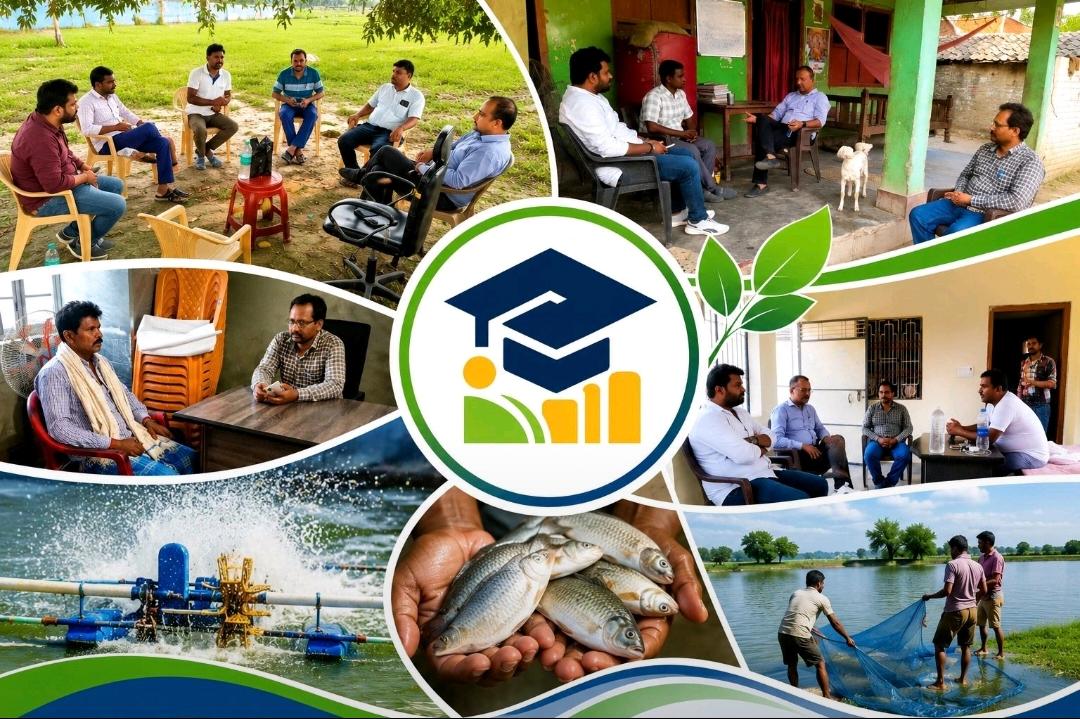
Gramshree Engages FFPOs Across Bihar to Promote Government Fish Farming Initiatives
Muzaffarpur, Samastipur & Purnia, Bihar: Gramshree Agri Services Pvt. Ltd. recently organized a series of consultations and awareness meetings with Fish Farmer Producer Organizations (FFPOs), fisheries entrepreneurs, and farmer groups across Muzaffarpur, Samastipur, and Purnia districts to discuss the Bihar Government’s expanding fish farming initiatives.
The meetings focused on creating awareness about government-supported fisheries schemes, scientific aquaculture practices, cluster-based fish production models, and opportunities available under the Pradhan Mantri Matsya Sampada Yojana (PMMSY). Gramshree interacted with FFPO leaders and fish farmers to explore ways of increasing participation in fisheries development programs and strengthening farmer institutions.
Discussions covered key areas such as collective pond management, fish seed production, access to finance, infrastructure development, market linkages, and adoption of modern fish farming technologies. Farmers were encouraged to work through organized producer groups to maximize benefits from government schemes and improve productivity and profitability.
Representatives from Gramshree emphasized the importance of strong FFPOs in driving sustainable fisheries growth and creating livelihood opportunities for rural communities. The organization also expressed its commitment to supporting fish farmers through capacity building, project development, technical guidance, and convergence with government programs.
The consultations concluded with a roadmap for continued collaboration with FFPOs across Bihar, reinforcing Gramshree’s vision of empowering farmers and contributing to the state’s growing fisheries sector and blue economy.
National Fisheries Development BoardÊ(Nfdb)
Samrat Choudhary
CA PRIYADARSHI PUNEET priyanshu Raj
#GramshreeAgri #GramshreeAgriServices #EmpoweringFarmers #Aggregating Technology #GramshreeWithFarmers
https://www.linkedin.com/posts/gramshreeagri_gramshreeagri-gramshreeagriservices-empoweringfarmers-activity-7468563795943084033-HFnk?utm_source=social_share_send&utm_medium=android_app&rcm=ACoAAERPm5gBh2eVvQ004O_DzoEyW0ucuNkYz-o&utm_campaign=copy_link